
 Google Accelerator: AI for Cybersecurity
 Participant — AI Regulatory Sandbox (Brazil)

 Built by AI & security experts
AI is moving faster than governance
Shadow AI and unchecked AI agents are becoming a silent liability.
Shadow AI and autonomous agents are quietly becoming a business risk. Employees and AI systems are already handling sensitive corporate data — often outside approved controls.
- Shadow AI bypassing controls
- Sensitive PII leakage to external
- Regulatory non-compliance (EU AI Act, GDPR, LGPD)
Data Exposure
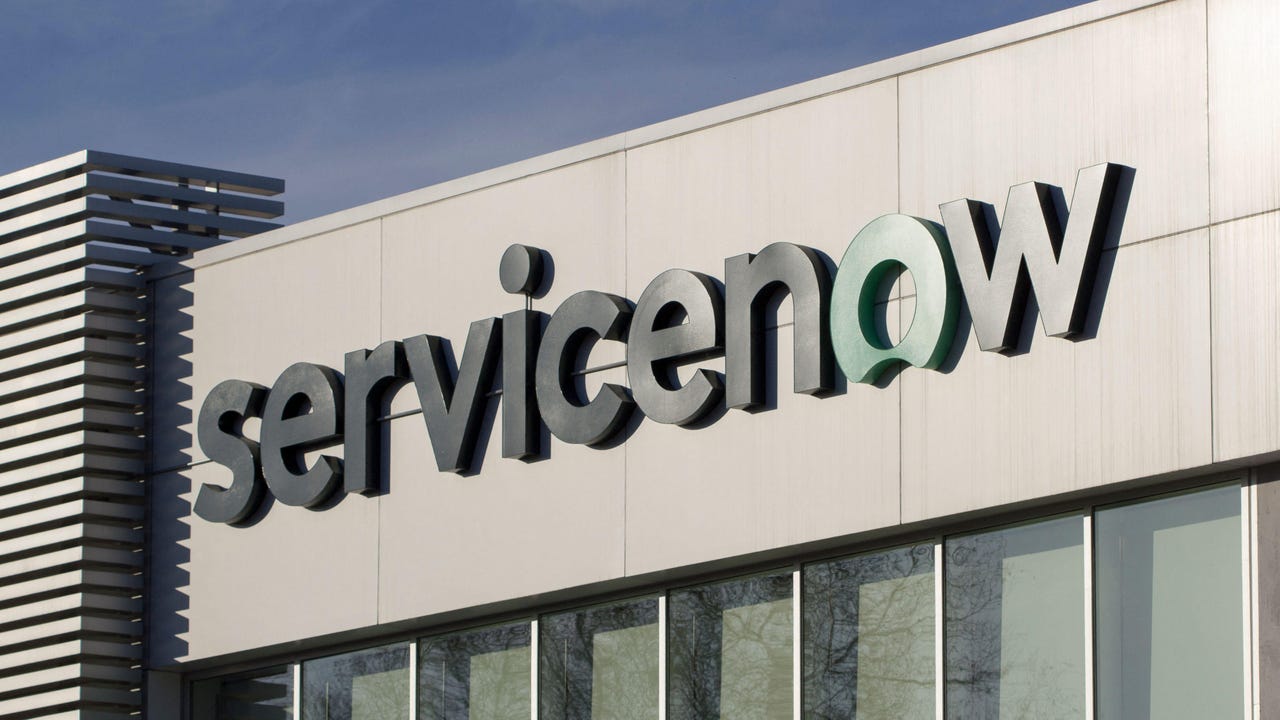
ServiceNow misconfigured KB exposed sensitive corporate data
Thousands of organizations exposed sensitive data through misconfigured Knowledge Bases.
Data Exposure
Copilot prompt exploitation leaking personal data
Proprietary source code was leaked to OpenAI after employees used ChatGPT for debugging.

No AI Governance
97% of AI-related breaches happened without AI governance
AI incidents are no longer hypothetical. The lack of visibility and control is the primary driver of new breaches.
AI risk assessment
A diagnostic grounded in real-world AI risks
Prioritized Risk Heatmap
We uncover how your AI systems can actually be abused, and what to fix first. A clear visibility into your highest exposure areas mapped to frameworks and business impact.
Clear Technical & Governance Gaps
Identifies missing controls, policy vacuums, and technical vulnerabilities.
30-90 Day Remediation Roadmap
Audit-ready documentation and step-by-step plan for leadership.
Full Stack AI Diagnostic
Our assessment goes beyond the model. We analyze the entire agentic chain, from internal MCPs to external third-party AI tools and proprietary knowledge bases.
AI Risk & Compliance
Oct 21, 2026 • Framework Mapping
MITRE ATLAS4.2%
NIST AI RMF1.9%
Guardion Framework2.1%
OWASP LLM Top 1038.7%
Our Methodology
Identify. Map. Mitigate.
Inventory & Risk Surface
We discover what you actually have — including what IT doesn’t see.
- Shadow AI usage across teams
- AI agents, tools, models, and APIs
- Sensitive data flows (PII, IP)
- Access management
AI Red Teaming & Mapping
We actively test and map risks using offensive AI security techniques.
AI RMF

42001

Act
LLM
Mitigation
We turn findings into decisions and action.
- Immediate technical fixes (0–30 days)
- Security controls (30-60 days)
- Governance & Policies (60-90 days)
Why GuardionAI
Built by people who secured AI at scale.

Industry Recognition
Regulatory Sandbox
ANPD Participant
Selected for the official Regulatory Sandbox to shape the future of AI governance.
Community Leadership
OWASP Contributor
Leading the guide for securing AI agents and LLM application standards.
AI for Cybersecurity Program
Google for Startups Selected
Selected for the Google AI for Cybersecurity program as a top AI security innovator.
Expert Standards & Guides
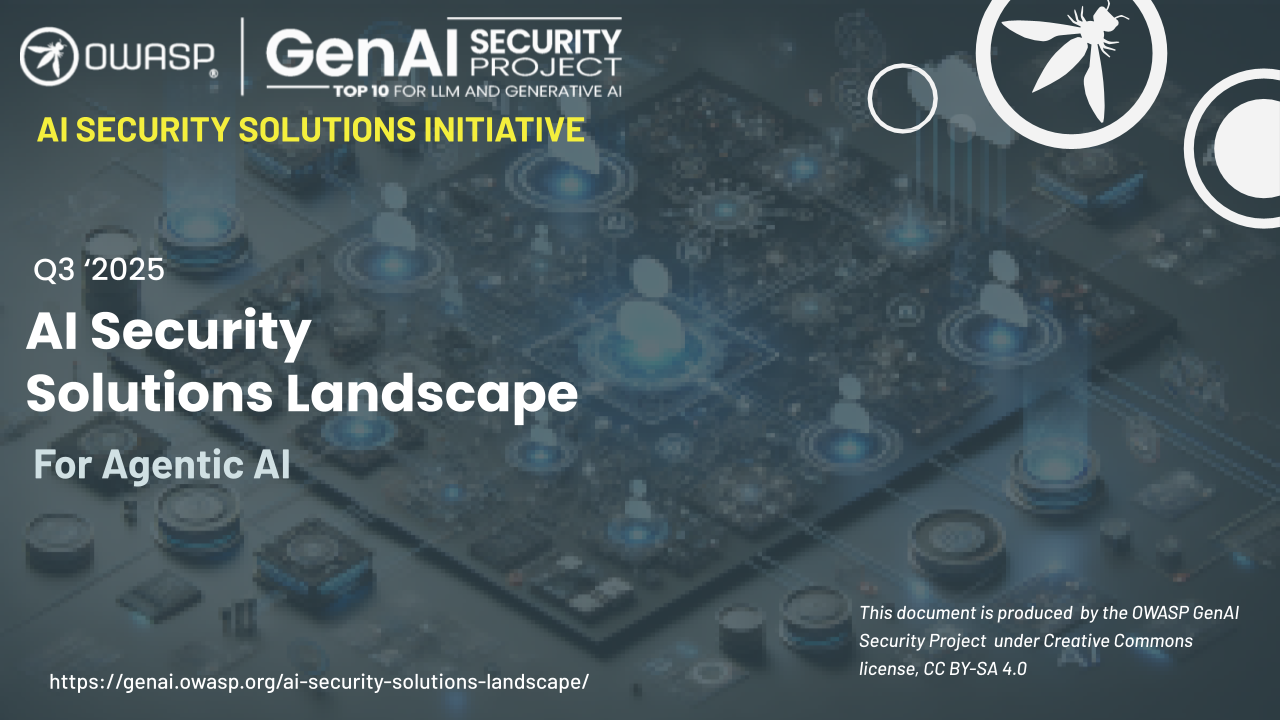
Q3 2025 Resource
AI Security Solutions Landscape for Agentic AI
Comprehensive mapping of the security ecosystem for autonomous AI agents.
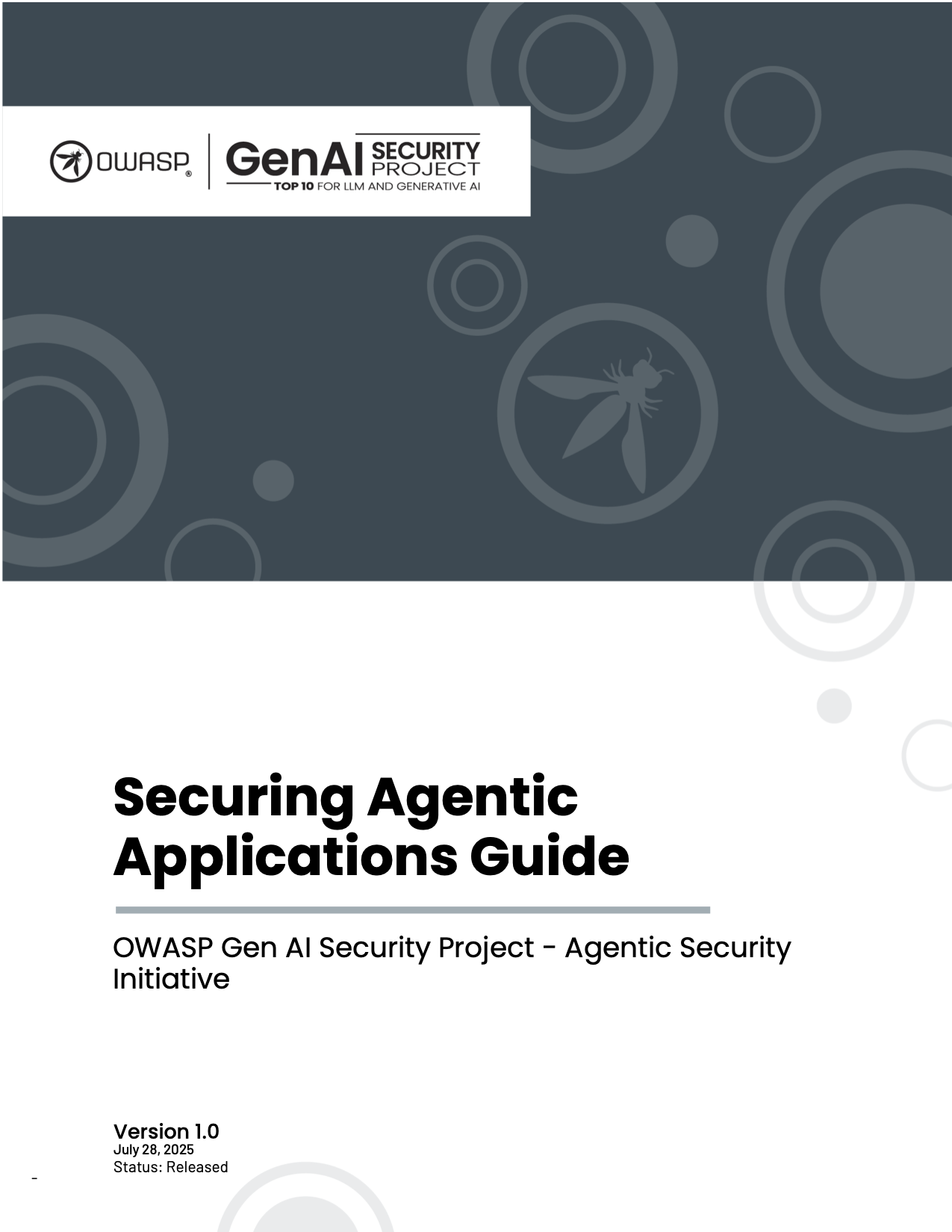
Standard v1.0
Securing Agentic Applications Guide 1.0
The definitive framework for implementing security controls in agentic workflows.
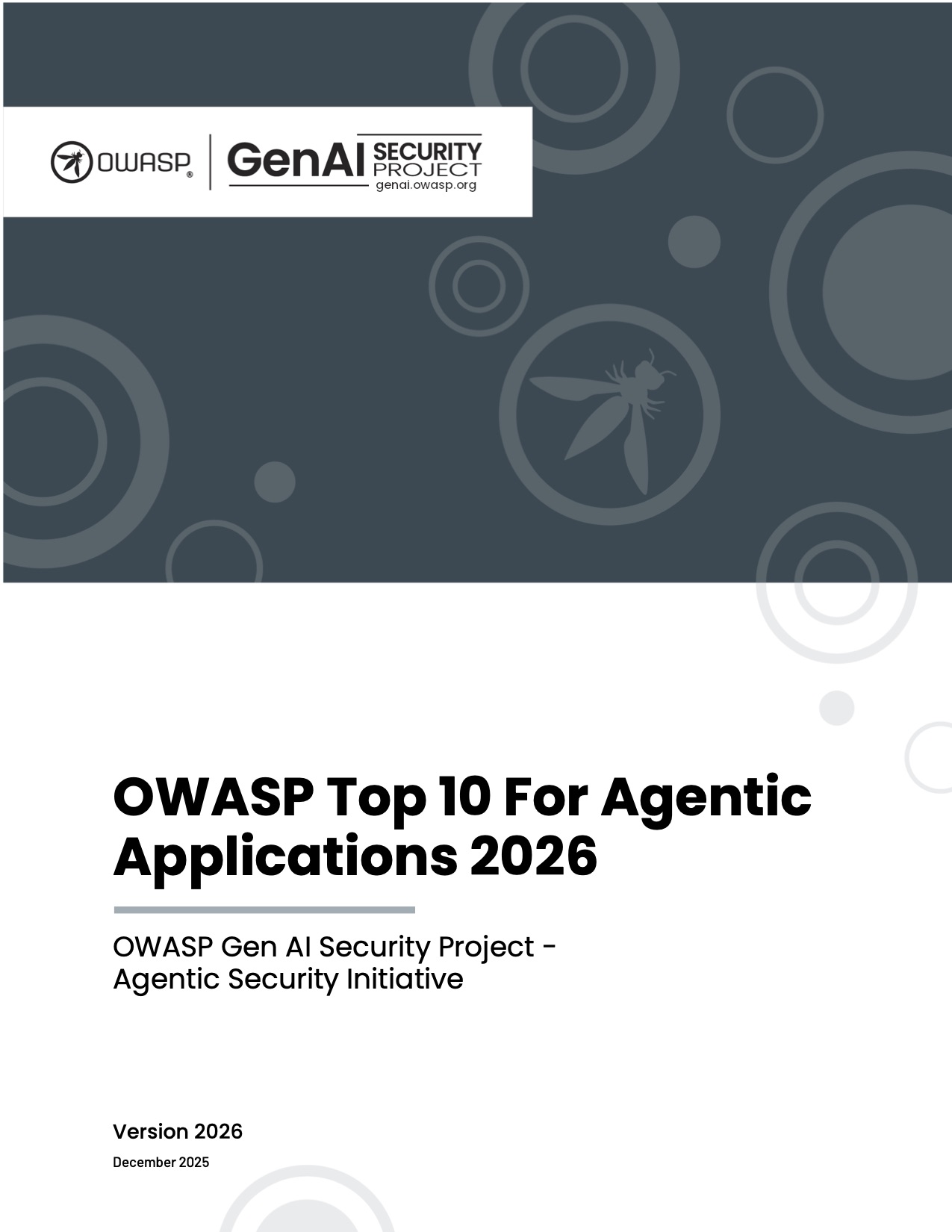
Upcoming 2026
OWASP Top 10 for Agentic Applications
Critical vulnerability mapping for the next generation of agentic AI systems.